Innovation, teamwork, and a whole lot of imagination were on full display during a recent campout with Scouts from Troop 3050 in Queen Creek, chartered by the Kiwanis Club of Queen Creek, and Crew 2222, chartered by American Legion Post 97 Joe Foss.
Four Scouts took on the challenge of earning the Game Design Merit Badge—and in the process, transformed ideas into fully playable experiences.
The Game Design Merit Badge encourages Scouts to think like creators. From brainstorming original concepts to testing mechanics and writing clear instructions, each Scout worked through the full design process. A key requirement? Their games had to be playable by others without any help from the creator—a true test of clarity, creativity, and usability.
The results were as diverse as they were fun:
“Criminal in Hogwarts”
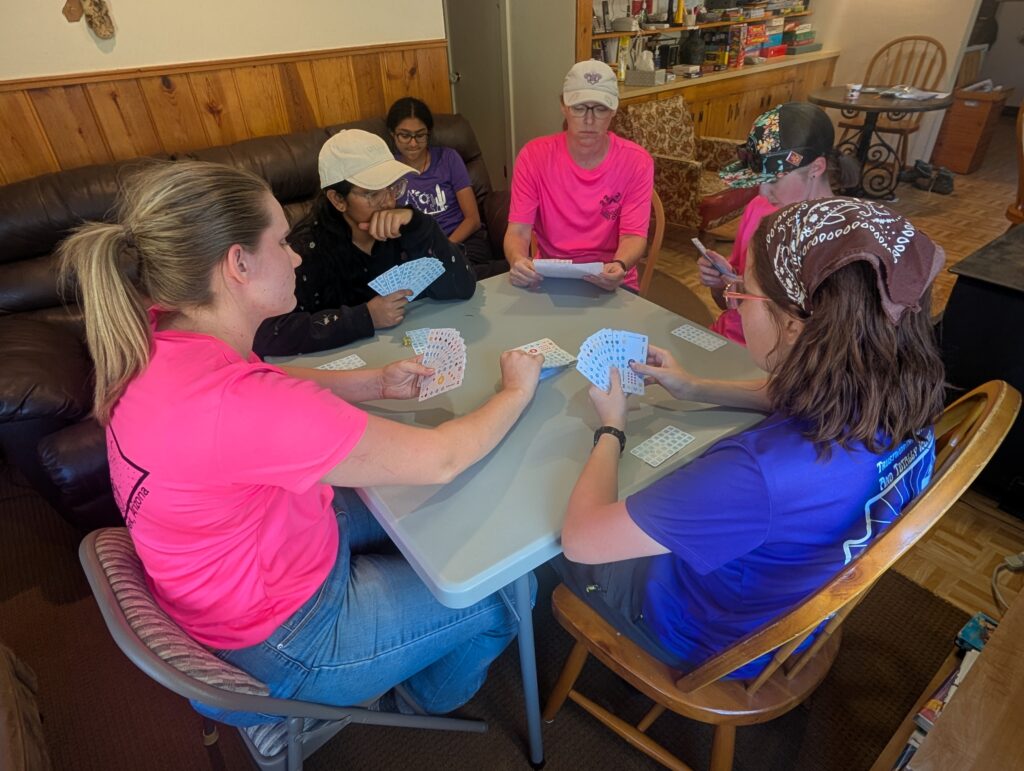
“Criminal in Hogwarts” by Neeha V. A strategic blend of deck-building and social deduction, set in a magical world where players must uncover hidden roles and outsmart opponents.
“Evil Jenga”
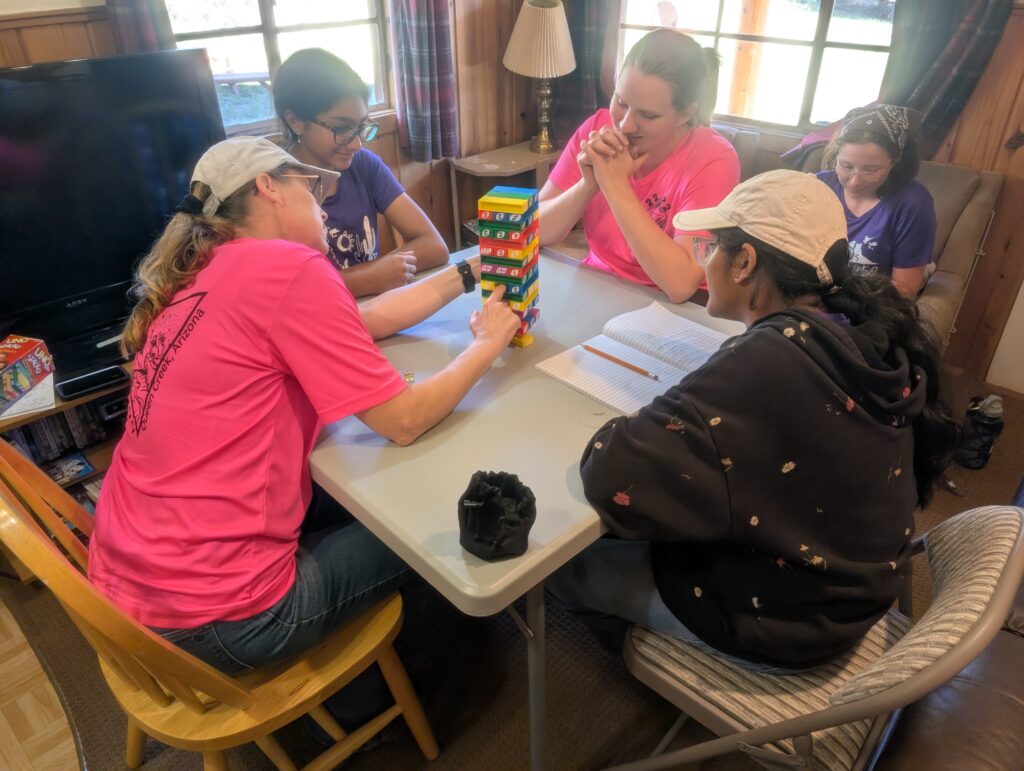
“Evil Jenga” by Eden N. A twist on the classic tower game, where a roll of the dice determines how the game unfolds—adding unpredictability and excitement to every move.
“Pigget”
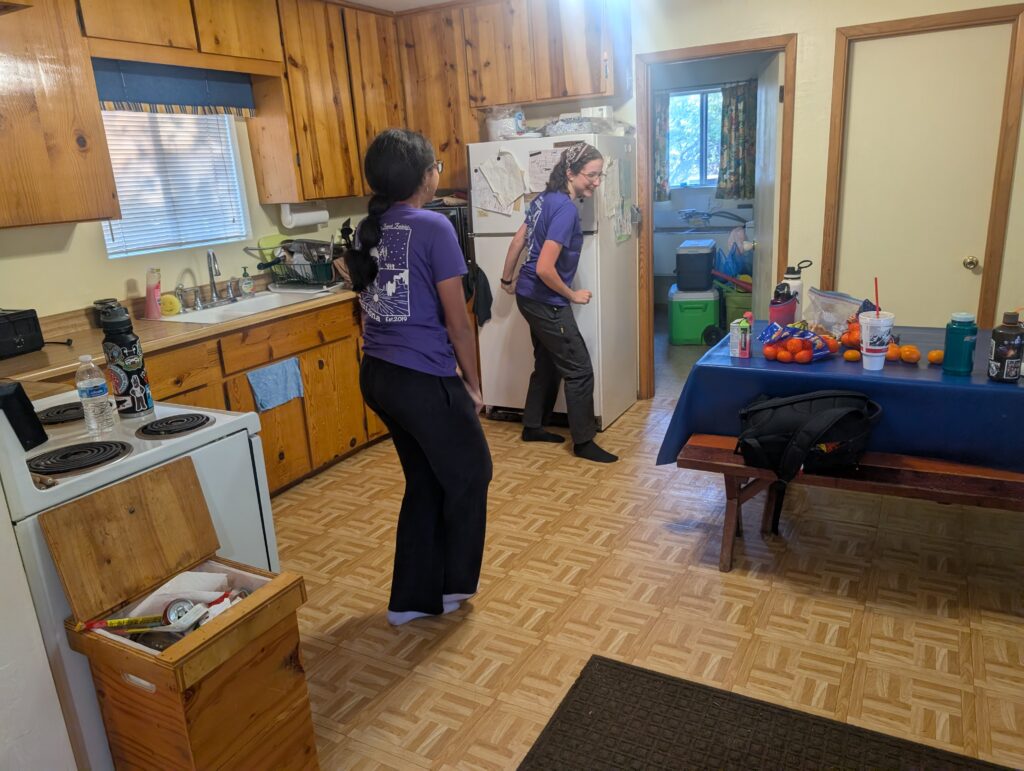
“Pigget” by Ananya A. A high-energy, physical hide-and-seek game featuring hidden objects and movement restrictions that challenge players to think and move creatively.
“Zombiezz”
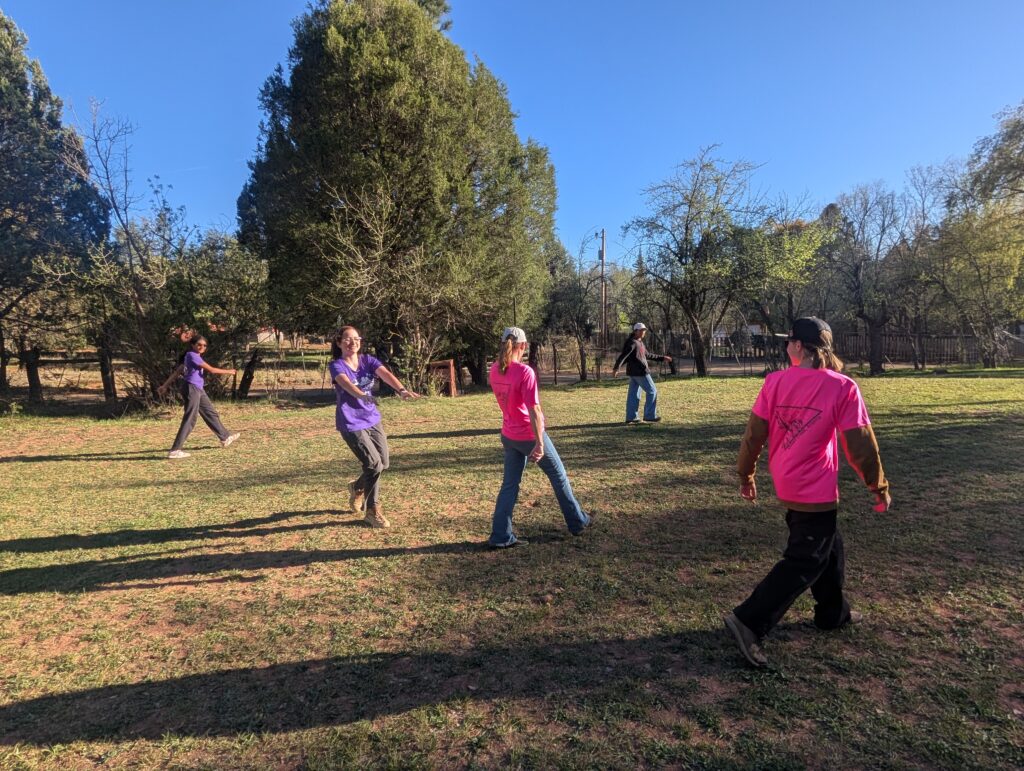
“Zombiezz” by Beth N. A fast-paced mash-up of Marco Polo and Sharks and Minnows, reimagined on dry land in a zombie apocalypse setting.
Each Scout not only developed their game concept but also led play testing sessions—observing what worked, what didn’t, and making improvements along the way. The final step required them to write detailed instructions, ensuring that anyone could pick up the game and play successfully.
Experiences like this highlight what makes Scouting unique. It’s not just about earning badges—it’s about building real-world skills like problem-solving, communication, and creative thinking in a fun, hands-on environment.